

The motion of garbage across international boundaries is an enormous, frequently unseen industry. While it enables some countries to handle their domestic decline by shipping it elsewhere, that global trade produces a complex web of environmental and financial consequences. From trade waste disposal leftovers to dangerous electronic parts, the things we discard usually travel tens of thousands of miles before hitting their ultimate resting place. But what exactly is the true charge of this trip?
Understanding the waste trade involves seeking beyond simple disposal. It involves examining how waste is valued as a product, the financial disparities between exporting and importing nations, and the sustained presence left on the planet.

What is the global waste trade?
The world wide waste trade identifies the international transfer and ship of waste products for treatment, removal, or recycling. This method emerged as produced nations sought cost-effective ways to manage large quantities of refuse, while creating countries saw an opportunity to transfer resources that could be reprocessed into organic goods.
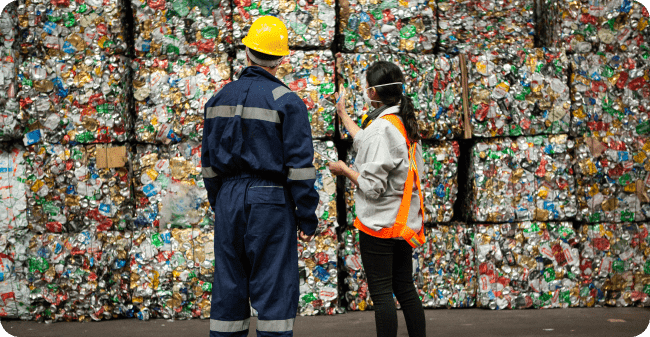
However, the reality is usually less mutually beneficial than it appears on paper. High-income countries ship millions of tons of waste annually, usually to countries with less stringent environmental regulations and confined infrastructure to method it safely.
How does waste trade impact the environment?
Environmentally friendly toll of delivery waste is substantial and multifaceted.
Carbon Footprint: Carrying millions of tons of waste via shipment vessels creates significant greenhouse gasoline emissions, contributing right to climate change.
Pollution in Getting Nations: When publishing nations lack the capacity to method waste properly, much of it eventually ends up in start landfills or is incinerated illegally. This releases toxic fumes in to the air and leaches hazardous substances into the earth and waterways.
Underwater Debris: Mismanaged plastic waste often escapes into the ocean. It's estimated that a significant percentage of maritime plastic pollution originates from waste that was exported for recycling but was never actually processed.
What are the economic implications?
The economics of waste trade really are a double-edged sword.
For Exporters: It is often cheaper to ship waste abroad than to method it domestically. This permits rich nations to avoid the large costs of regional recycling infrastructure and strict environmental compliance.
For Importers: Creating economies may view waste imports as a source of cheap organic materials. However, the economic burden of clearing up the ensuing pollution and managing unrecyclable pollutants usually outweighs the first profits. Medical costs associated with pollution-related illnesses in these regions further strain regional economies.
Is the system changing?
Yes, the landscape is shifting. Policies like the Basel Tradition have now been increased to higher get a handle on the movement of dangerous waste. Furthermore, major importers have begun applying stricter bans on contaminated international waste, making exporting nations to rethink their waste management strategies.
The Future of Waste Management
Reliance on exporting trash is not a sustainable long-term solution. Correct economic and environmental stability is based on building strong domestic recycling features and reducing waste technology at the source. By shifting towards a round economy—where products are made for toughness and easy recycling—countries can reduce their dependence on this erratic trade.
Fundamentally, waste shouldn't be considered a issue we vessel away, but a source we understand to control responsibly at home.